
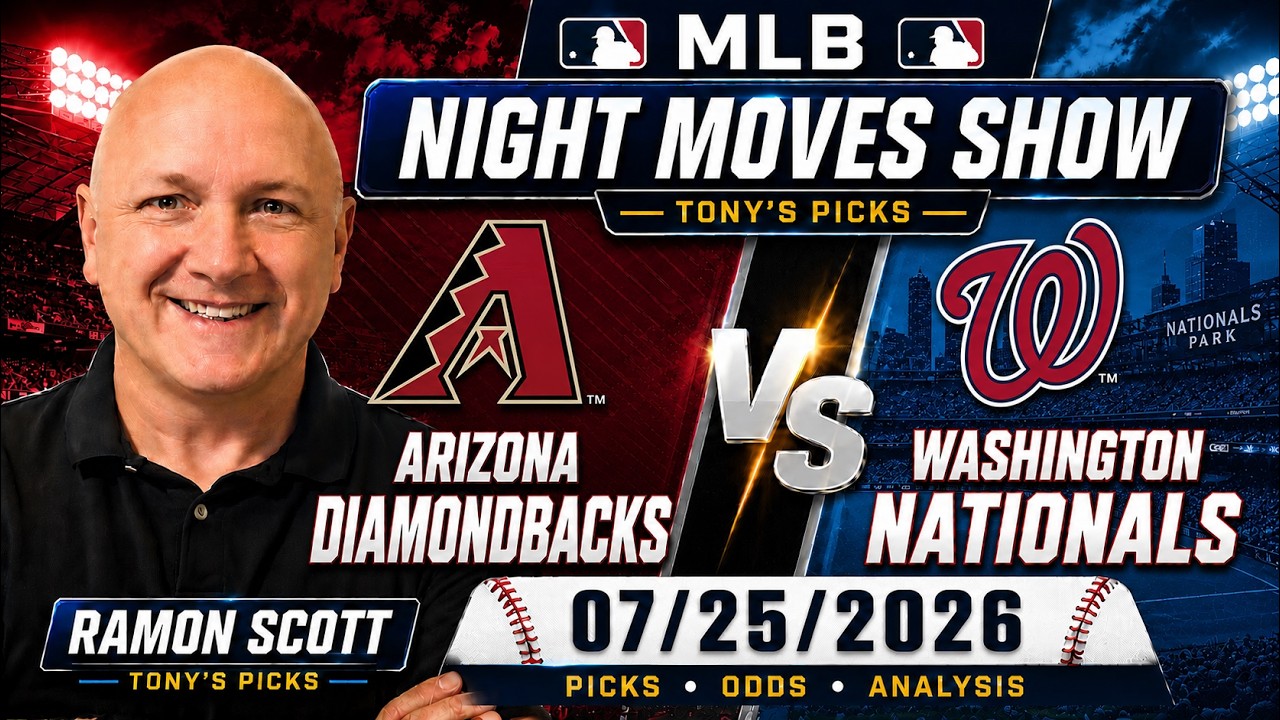

The Arizona Diamondbacks and Washington Nationals meet in a game that looks like a pitcher’s duel on paper but tells a completely different story once you dig into the matchup dynamics. Washington sends out Foster Griffin, who’s been quietly dominant with a 2.68 ERA and microscopic 1.03 WHIP across his starts this season. The Nationals are 15-4 in games Griffin has pitched, a testament to both his consistency and the run support his lineup has provided.
On the other side, Arizona counters with lefty Mitch Bratt, who’s making just his fourth big-league start and carries a bloated 5.06 ERA and 1.78 WHIP into this contest. The surface read points toward a Nationals victory, and the betting market agrees with Washington priced around -135 on the moneyline.
The Pitching Matchup: Griffin’s Consistency Versus Bratt’s Growing Pains
Foster Griffin has been a revelation for Washington this season, posting a .210 batting average against and a .242 BABIP that suggests his results are legitimate and not just the product of good fortune. His 1.03 WHIP is elite, and while he may not rack up strikeouts at an overpowering rate, he limits hard contact and keeps runners off base. The Nationals have leaned on him in key spots, and he’s delivered with the kind of reliability that gives a bullpen breathing room.
Griffin’s command and ability to work efficiently through lineups have made him a dependable weapon in Washington’s rotation, and his track record this year speaks to both his effectiveness and the trust the organization has placed in him.
The Nationals are 11-2 in games where Griffin has taken the mound, an exceptional winning percentage that reflects not only his pitching but the team’s ability to perform when he’s on the hill. Griffin has shown an ability to navigate tough lineups by mixing his pitches effectively and avoiding the costly mistakes that derail lesser pitchers. His .210 batting average against is a product of quality contact management, forcing hitters into weak grounders and routine fly balls rather than allowing barrels.
For a team that’s struggled at home this season—Washington sits at 20-32 in their own ballpark—Griffin’s starts have been islands of consistency in an otherwise turbulent home campaign.
Mitch Bratt presents the opposite profile. With just three major league starts under his belt, he’s still finding his footing at this level, and the numbers reflect that learning curve. A 5.06 ERA and 1.78 WHIP indicate he’s allowing far too much traffic on the basepaths, and when you’re a left-hander facing one of the most productive offenses against southpaws in baseball, that’s a recipe for trouble. Bratt’s lack of experience becomes even more glaring when you consider the Nationals’ ability to capitalize on mistakes.
Featured Analysts & Cappers
Read free daily matchup breakdowns and track documented betting records.
They’ve shown a knack for working deep counts, forcing pitchers into the zone, and then punishing mistakes with authority. Bratt will need to navigate a lineup that has feasted on left-handed pitching all season.
Washington’s Offensive Dominance Against Left-Handed Pitching
Washington’s offense has been a wrecking ball against left-handed pitching this season, ranking among the top two or three clubs in baseball in both batting average and slugging percentage versus southpaws. They’ve built their lineup to exploit these matchups, stacking right-handed bats and players with reverse splits who thrive when they see a lefty on the mound. Yesterday’s 3-2 loss to Arizona was deceiving—the Nationals collected seven hits off a quality pitcher and left the bases loaded multiple times, failing to cash in on premium scoring opportunities.
That kind of offensive output with minimal runs scored is an aberration, not a trend. When a team consistently puts runners on base and generates hard contact, the runs eventually come.
The Nationals have shown all season they can take advantage of left-handed pitching. Their approach at the plate against southpaws is disciplined and aggressive in the right counts, working pitchers deep into at-bats before attacking mistakes in the zone. Against Bratt, a pitcher who’s already shown he struggles to keep hitters off base at the major league level, Washington is set up for a breakout offensive performance. The combination of Bratt’s inexperience and Washington’s platoon advantages creates a scenario where the Nationals should be able to build big innings early and force Arizona into its bullpen sooner rather than later.
That puts additional pressure on a Diamondbacks relief corps that has shown vulnerability in recent outings.
What makes this matchup even more dangerous for Bratt is Washington’s ability to adjust within a game. The Nationals have hitters who can recognize pitch patterns and make adjustments between at-bats, meaning even if Bratt navigates the order once, he’s likely to face a much more locked-in group the second and third times through. For a young pitcher still learning to sequence and command his arsenal, that’s an enormous challenge. The margin for error is slim, and every mistake pitch becomes a potential extra-base hit against a lineup this talented versus left-handed pitching.
Arizona’s Elite Production Against Southpaws
Arizona’s lineup is no slouch against left-handed pitching either. In fact, the Diamondbacks rank above the Nationals in both batting average and slugging against lefties this season, making them the only team in baseball with that distinction over Washington. That’s a critical detail. While Griffin has been excellent overall, he’s facing a Diamondbacks offense specifically constructed to handle southpaws. Arizona has the platoon advantages and the hitters with the track records to do damage against a pitcher like Griffin, even if his season numbers suggest otherwise.
The Diamondbacks have shown they can work counts, force pitchers into the zone, and capitalize when they get pitches to hit.
Against a left-hander like Griffin, Arizona has the tools to put together big innings. The Diamondbacks’ success against southpaws isn’t just about raw power—it’s about quality at-bats and the ability to pass the baton through the lineup. They’ve shown an ability to string together hits, work walks, and create traffic on the bases that eventually leads to crooked numbers. Griffin’s consistency doesn’t make him invincible against a lineup with this kind of pedigree versus southpaws.
Even elite left-handed pitchers can be vulnerable when facing the best offensive club in baseball against their handedness, and that’s exactly what Griffin is walking into tonight.
The Diamondbacks also bring situational hitting excellence to the table. They’ve been one of the better teams in baseball at driving in runners from scoring position against left-handed pitching, which means if Griffin allows any traffic early, Arizona has the bats to make him pay. The combination of patience at the plate and the ability to do damage on mistakes creates a dangerous dynamic for any pitcher, no matter how well they’ve thrown this season.
Griffin will need to be perfect with his command and sequence, because this Diamondbacks lineup won’t miss hanging breaking balls or fastballs left over the heart of the plate.
Yesterday’s Game: Misleading Final Score Tells a Different Story
Yesterday’s 3-2 final between these teams is one of the most misleading box scores you’ll see all season. Both clubs combined for at least 14 hits, with the Nationals alone collecting seven knocks and leaving the bases loaded in multiple innings. The offensive talent was clearly present, but the execution in key moments wasn’t there. Runners were stranded in scoring position repeatedly, and both teams squandered golden opportunities to blow the game open. That kind of performance is regression bait—when two quality offenses generate that much contact and baserunner traffic, the runs eventually follow.
Tonight’s game sets up as the correction to yesterday’s offensive underperformance.
The fact that Washington left so many runners on base yesterday actually works in favor of the over tonight. Offenses tend to regress to their mean production levels, and when a team as talented as the Nationals fails to cash in on prime scoring chances, they’re due for a bounce-back performance. Add in the fact they’re facing a struggling, inexperienced left-handed starter in Bratt, and all the ingredients are in place for Washington to break through offensively.
The same logic applies to Arizona—they generated enough offense to suggest they’re locked in, and now they face another left-handed pitcher in Griffin, which plays directly into their strengths.
Bullpen Dynamics and Late-Game Scoring Potential
Even if Griffin pitches well into the sixth or seventh inning, he’ll eventually hand the ball to a Nationals bullpen that’s been inconsistent in high-leverage situations. Washington’s relief corps has shown flashes of dominance but also stretches of vulnerability, particularly when asked to protect narrow leads or keep games close. Once Griffin exits, the Diamondbacks will face relievers who don’t have the same command or arsenal depth, creating opportunities for Arizona’s potent offense to strike late. The combination of an elite offense against left-handed pitching and a shaky bullpen is a recipe for late-inning runs.
Arizona’s bullpen presents similar concerns. The Diamondbacks have struggled to hold leads recently, particularly on the road where they’ve blown multiple late-game advantages. Once Bratt exits—and given his struggles, that could come as early as the fourth or fifth inning—Arizona’s relievers will inherit a game against a Washington offense that’s already warmed up and ready to pounce. The Nationals have shown they can tack on runs late against bullpens that lack elite stuff, and Arizona’s relief corps fits that profile.
The late innings in this game could see multiple lead changes or extended rallies, both of which push the total higher and create value on the over.
Home/Road Splits and Situational Trends
One fascinating element of this matchup is Washington’s bizarre home/road split. The Nationals sit at 20-32 at home this season, a shocking number for a team with this much offensive talent. Meanwhile, they’ve been significantly better on the road, leading to speculation about whether there’s a genuine home-field disadvantage at play or simply variance. Regardless of the cause, it’s worth noting that Washington has found ways to score runs both at home and away—the issue has been more about pitching consistency and bullpen management than offensive production.
Tonight, with Griffin on the mound and a favorable matchup against Bratt, the offense should have plenty of opportunities to put runs on the board regardless of venue.
Arizona, meanwhile, has shown they can score in any environment. The Diamondbacks’ offense travels well, and their production against left-handed pitching is consistent whether they’re home or on the road. That’s important context for tonight’s game, because it means the venue won’t suppress Arizona’s offensive output. They’ve proven they can adjust to different ballparks and different pitching styles, and against a southpaw like Griffin, they’ll have the platoon advantages that have fueled their success all season. The combination of two offenses that can score in any situation and two pitchers facing less-than-ideal matchups makes the over an attractive proposition.
Where the Value Lives: The Over Is the Sharp Side
The temptation is to back the Nationals on the moneyline or run line given Griffin’s dominance and Bratt’s inexperience, and there’s merit to that argument. Washington at -135 represents fair value for a team with a significant pitching edge and a home crowd behind them. But the sharper play is recognizing that both offenses are elite in this specific matchup type and that the game total is undervalued. The betting market is respecting Griffin’s season-long excellence and pricing Washington accordingly, but it’s not fully accounting for the fact that Arizona’s offense is the best in baseball against left-handed pitching.
That creates a disconnect between the total and the likely offensive output.
The over also captures value on the bullpen dynamic. Both teams will eventually turn to their relief corps, and neither bullpen has been lockdown in recent weeks. Once the starters exit, the game opens up for both offenses to capitalize on lesser arms and mistakes in the zone. The late innings could feature multiple scoring outbursts, and the total doesn’t reflect that potential. Given the offensive profiles, the pitching matchups, and the bullpen situations, the over is the play that captures the most value in this contest.
It’s not about fading Griffin or assuming Bratt gets shelled—it’s about recognizing that both offenses are built to succeed tonight and that runs will come from multiple sources throughout nine innings.
Final Prediction
This game sets up as a higher-scoring affair than the betting market anticipates. Foster Griffin is a quality pitcher, but he’s walking into a buzzsaw against a Diamondbacks lineup that leads the league in production against left-handed pitching. Mitch Bratt, meanwhile, is overmatched against a Nationals offense that ranks among the best in baseball versus southpaws. Both teams showed offensive life yesterday despite the low final score, and the underlying metrics suggest they’ll break through tonight. The over is the sharp side, capturing value on two elite offenses facing pitchers they’re specifically built to attack.
Expect runs early and often as both lineups take advantage of favorable platoon matchups and force their way into the bullpens, where additional scoring opportunities await.
Please gamble responsibly.